“`html
Tips for Working With a Window Installer on a Budget
Replacing windows can be a significant investment, but it can also enhance your home’s energy efficiency and aesthetic appeal. If you’re on a budget, there are strategies to optimize the process and make the most of your financial resources. This guide offers valuable tips for working with a window installer while keeping your costs under control.
1. Plan Your Budget Carefully
Before contacting window installers, it’s essential to establish a clear budget. Consider the following steps:
- Determine Your Maximum Expenditure: Know how much you can realistically spend on window replacement.
- Include All Costs: Remember to account for labor, materials, potential permits, and any necessary post-installation work.
- Prioritize Your Needs: Identify which windows need immediate attention and which can wait.
2. Research Window Options
Different window types range widely in price. Understanding your options can help you make informed decisions that fit your budget.
- Vinyl Windows: Generally more affordable and energy-efficient, vinyl windows are a great choice for budget-conscious homeowners.
- Wood Windows: While they can be beautiful, wood windows often come at a higher price point and require more maintenance.
- Fiberglass Windows: These provide durability and energy efficiency but can be more expensive than vinyl.
3. Get Multiple Quotes
To ensure you secure the best price, obtain quotes from several window installers. Follow these tips for an effective comparison:
- Request Detailed Estimates: Ask for itemized quotes that include materials, labor, and any additional fees.
- Evaluate Customer Reviews: Look for reviews online to gauge the quality of work before making a decision.
- Negotiate: Many installers are willing to negotiate. Don’t hesitate to discuss your budget and ask for discounts or promotions.
4. Timing Your Project
The timing of your window installation can impact costs significantly. Consider these timing tips:
- Off-Season Installation: Schedule your window replacement during the fall or winter months when demand is typically lower, potentially reducing costs.
- Look for Seasonal Promotions: Watch for sales or promotional events that may offer discounts on window replacements.
5. Choose Energy-Efficient Windows
Investing in energy-efficient windows can save you money in the long run. Benefits include:
- Lower Energy Bills: Energy-efficient windows can help reduce heating and cooling costs.
- Tax Credits and Rebates: Check for available tax incentives for upgrading to energy-efficient windows, which can lower your overall expenditure.
6. Handle Minor Repairs Yourself
If your current windows only require minor updates, consider handling small repairs on your own. This can include:
- Caulking: Sealing leaks with caulk can improve energy efficiency without the cost of a full replacement.
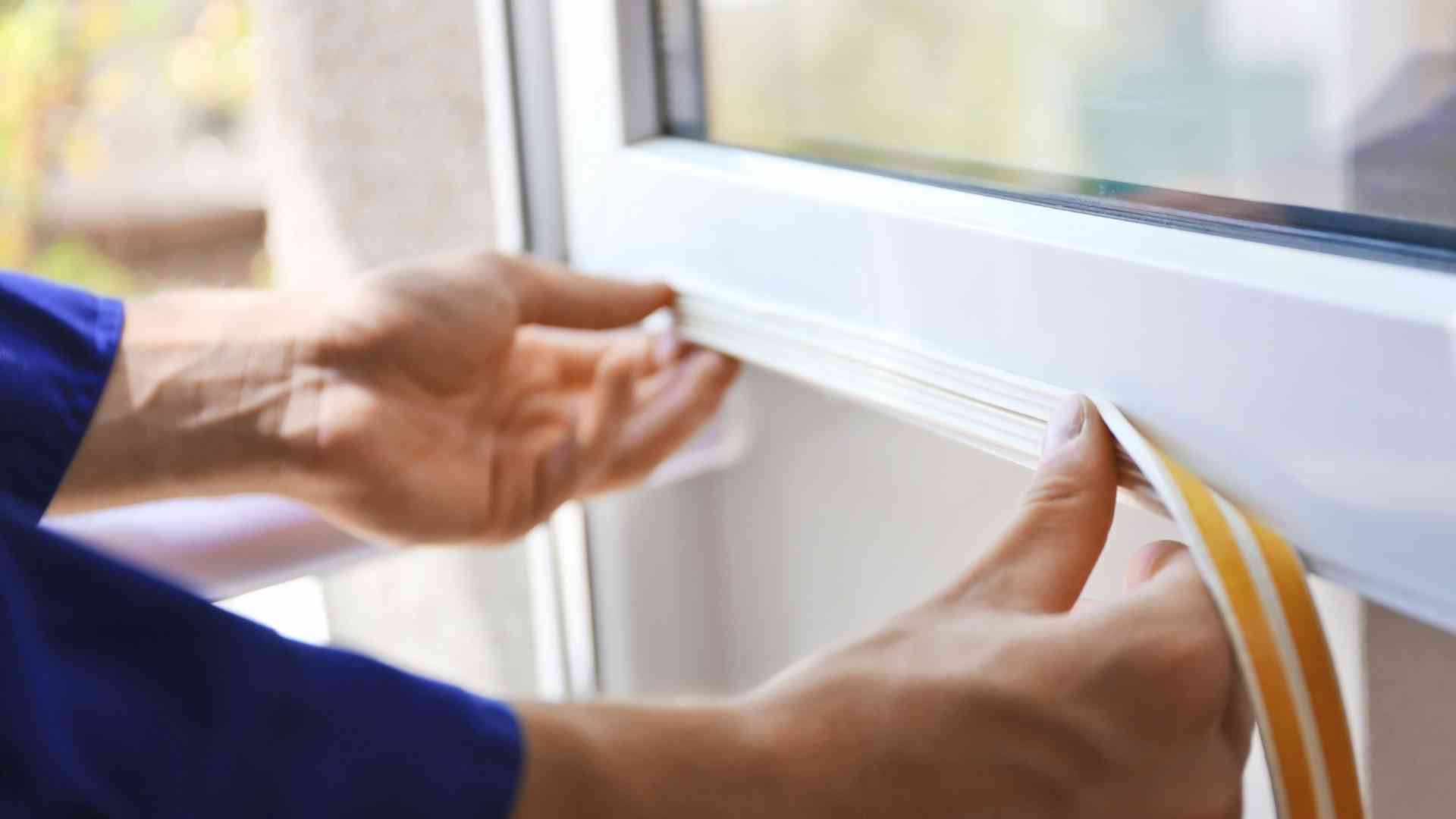
- Weatherstripping: Adding or replacing weatherstripping is an affordable way to increase insulation.
7. Understand Installation Process and Options
Familiarize yourself with the installation process so you can effectively communicate with your installer. Key points to consider include:
- Replacement vs. New Construction: Replacement windows typically cost less than new construction windows. Discuss which option is best for your needs.
- Installation Method: Understanding different methods (full-frame vs. insert) can impact costs. Choose the method that best suits your project.
8. Consider DIY Options for Certain Steps
If you have some handy skills, there are aspects of the window installation that you can undertake yourself to save money. Possible DIY tasks include:
- Removing Old Windows: If you feel comfortable, removing the old windows can cut down on labor costs.
- Interior and Exterior Painting: Painting or touch-ups can be done by yourself, saving on additional expenses.
9. Review Warranty and Maintenance Options
When working with a window installer, understanding the warranty and maintenance options included is crucial to maximizing your investment:
- Check Warranty Coverage: Ensure the windows have a reliable warranty that covers defects and issues.
- Inquire About Maintenance: Regular maintenance can prolong the lifespan of your windows. Learn what is needed to keep them in good shape.
10. Keep Communication Open
Effective communication with your window installer can help ensure a successful project. Follow these communication tips:
- Ask Questions: Don’t hesitate to reach out with questions or concerns throughout the process.
- Set Clear Expectations: Be clear about your budget and what you’re looking to achieve to help the installer align with your goals.
Conclusion
Working with a window installer on a budget is entirely feasible with careful planning and research. By understanding your options, getting multiple quotes, and exploring DIY possibilities, you can keep costs manageable while ensuring your windows meet your needs. Remember, ongoing maintenance and energy efficiency can also lead to long-term savings, making your investment even more worthwhile.
“`
Pros Windows Installer provides top-rated window installation and replacement services for homeowners and businesses. We install energy-efficient, vinyl, double-pane, storm, and custom windows with precision and care. Our certified installers ensure proper fit, insulation, and finishing to enhance your property’s beauty, comfort, and energy savings. From consultations to clean-up, we prioritize customer satisfaction and local service excellence. Trust a team that understands quality window systems and delivers long-lasting results. Call today to schedule your free estimate and experience professional service from a dedicated team near you.